



Blog
5 Creative Ways to Use Crispy Fried Onion in Everyday Cooking

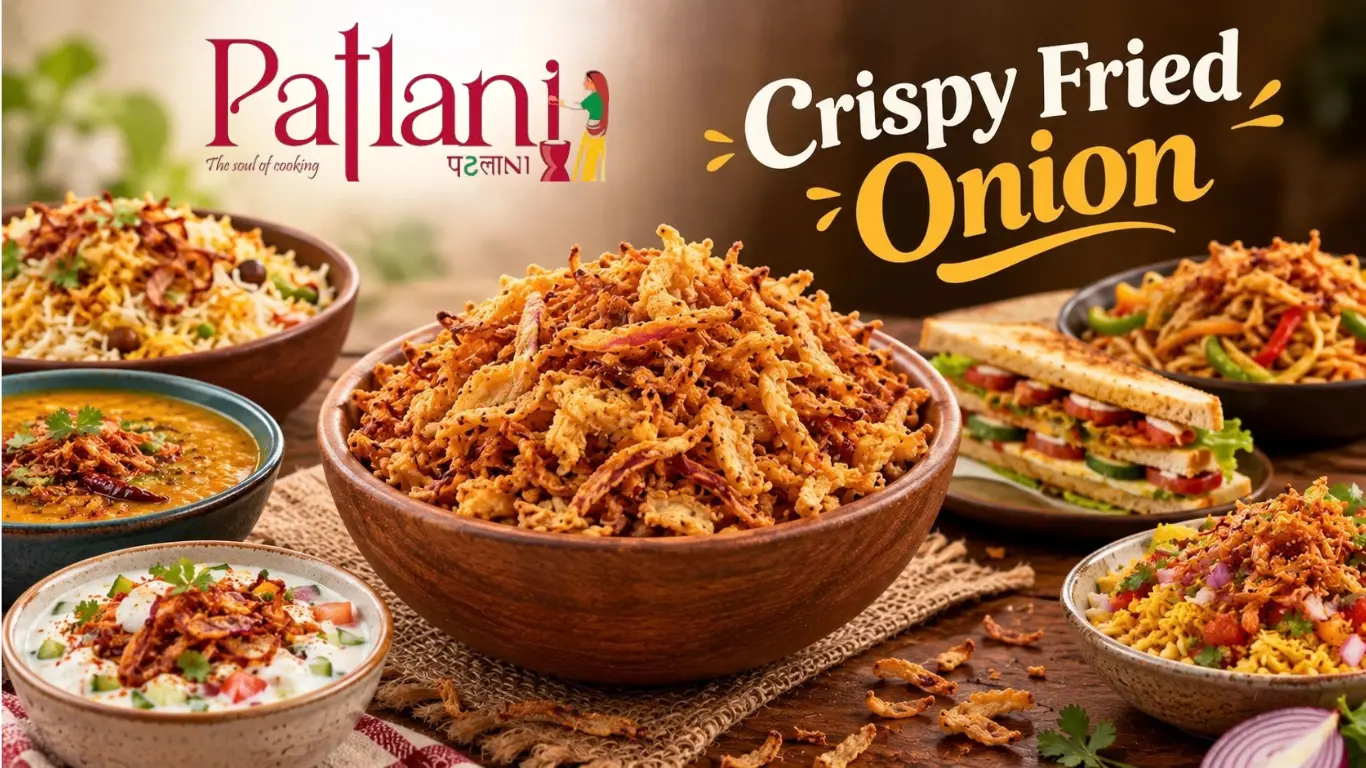
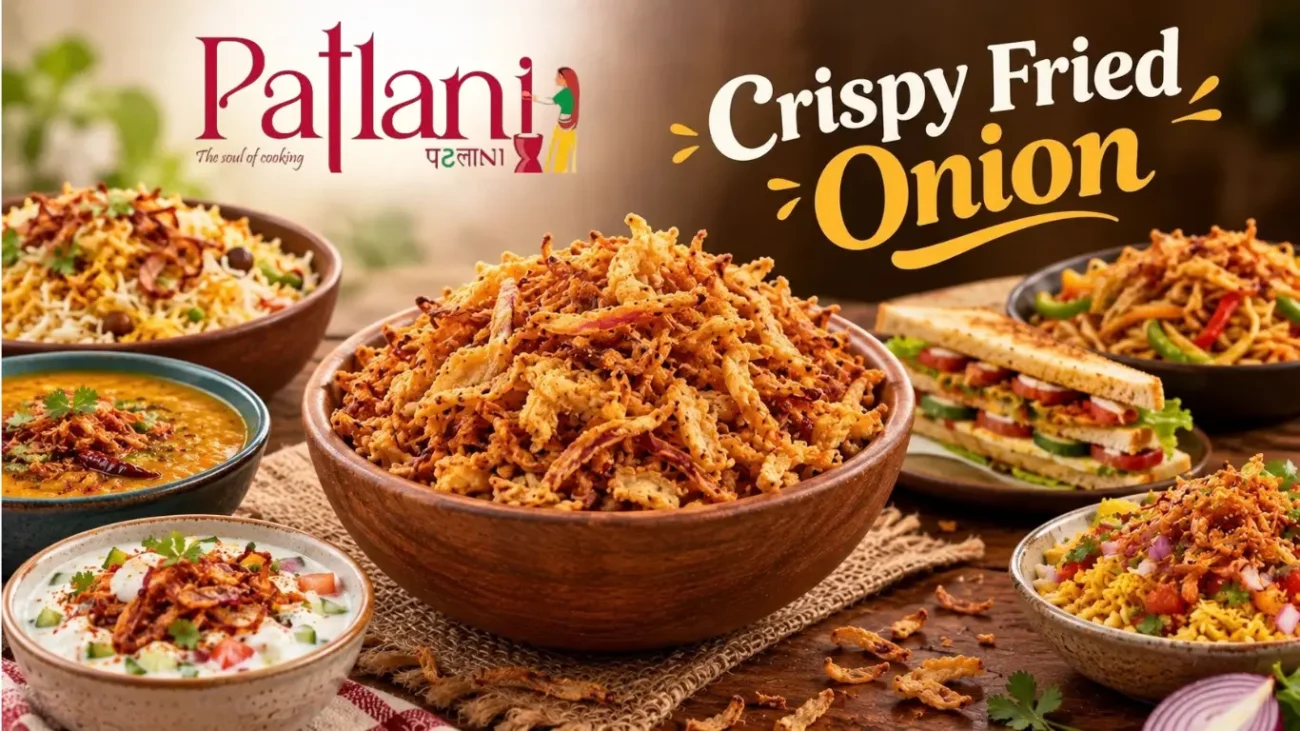
There’s a reason most biryani recipes insist on a generous handful of fried onion on top that crunch, that faint sweetness against the spice, does something a dish just can’t achieve on its own. But here’s the part most people overlook: Crispy Fried Onion doesn’t have to stay in the biryani box. It works just as well scattered over dal, tucked into a sandwich, or stirred through a quick noodle bowl.
This article walks through five practical, genuinely different ways to bring it into your everyday cooking, plus a few tips on keeping it crunchy once the jar is open.
What Makes Crispy Fried Onion So Useful?
Crispy Fried Onion is exactly what it sounds like thin onion slices fried until golden brown and crisp, then usually cooled and stored for later use. That’s different from sautéed or caramelized onion, which is cooked low and slow until soft and jammy. Fried onion goes the other direction entirely: high heat, quick cooking, and a texture that stays firm and crunchy rather than melting into a dish.
Flavour-wise, it sits somewhere between savoury and lightly sweet, with a toasted aroma that lifts whatever it’s added to. Because it’s already prepared, ready-to-use fried onion also saves a real chunk of prep time no standing over a pan waiting for onions to turn golden right before dinner.
Its real usefulness, though, comes from how flexible it is. It works as a garnish, sprinkled on right before serving, or as an actual ingredient mixed into a dish for texture and depth. That range is what makes it worth keeping in the kitchen beyond just biryani nights.
5 Creative Ways to Use Crispy Fried Onion in Everyday Cooking
1. Add It to Rice and Pulao
Vegetable pulao, jeera rice, plain steamed rice all of them benefit from a scoop of fried onion, and not just for biryani. Stirred in while the rice is still warm, it softens slightly and blends into the dish, adding a subtle sweetness throughout. Sprinkled on top just before serving, it stays crisp and gives every bite a bit of crunch against the softer grains.
There’s no strict measurement here a small handful for a family-sized bowl of pulao is usually enough to notice the difference without overwhelming the dish.
2. Use It as a Topping for Dal and Curries
This is where the contrast really shines. Dal tadka, rajma, chole, or any gravy-based curry tends to be smooth and soft in texture. A spoonful of fried onion scattered on top right before eating breaks that softness up crunchy against creamy, toasted against spiced. It’s a small addition, but it changes how the dish feels in the mouth, not just how it tastes.
3. Make Salads, Raita and Chaat More Interesting
Cucumber salad, a simple green salad, raita, sprout salads these are all fairly soft or watery on their own, and fried onion gives them something to chew on. In raita especially, the cool yogurt against warm, crisp onion is a combination that works better than it sounds. Chaat, which already leans on contrasting textures, only gets better with an extra handful sprinkled at the end.
4. Upgrade Sandwiches, Wraps and Quick Snacks
Vegetables, a good chutney, and a layer of crispy onion that combination alone can turn an ordinary sandwich into something worth making on purpose. It works in wraps, rolls, and frankie style snacks too, adding crunch in a way that lettuce alone often doesn’t manage. Toast with a simple spread, topped off with a scatter of fried onion, is a five-minute snack that feels more put-together than it actually is.
5. Give Everyday Noodles and Quick Meals a Crunchy Twist
Stir fried vegetables, fried rice, instant noodles, even leftover rice reheated with a few spices all of these get more interesting with a handful of fried onion added near the end of cooking. The key is timing: add it too early and the crunch disappears into the steam and sauce. Add it right at the end, off the heat, and it stays crisp on top of the dish instead of dissolving into it.
Crispy Fried Onion as a Garnish vs an Ingredient
There’s a real difference between using it as a finishing garnish and mixing it into a dish while cooking, and that difference comes down to timing.
As a garnish, it goes on last after plating, or in the final seconds off the heat which is how you preserve the most crunch. As an ingredient, it gets folded into the dish earlier, where the heat and moisture soften it and let its flavour spread through rather than sit on top. Neither approach is more “correct.” Rice and pulao often work well both ways, while soups and gravies usually call for it at the very end, simply because prolonged contact with liquid softens the crunch fastest.
Tips to Keep It Crunchy
A handful of habits make the difference between onion that stays crisp and onion that goes soft too quickly:
- Add it close to serving time rather than early in cooking
- Keep it away from liquid-heavy dishes until the last moment
- Store packaged fried onion the way its label instructs, away from moisture
- Use a clean, dry spoon each time you scoop some out
- Start with a smaller portion you can always add more, but you can’t take it back out
Why Ready to Use Crispy Fried Onion Can Be Convenient
On a weeknight, few people have time to slice and fry onions from scratch just to finish a dal or top a sandwich. That’s really the appeal of ready to use fried onion it turns a fifteen-minute process into a two-second scoop, without asking you to compromise much on flavour or texture.
Brands such as Patlani Foods offer packaged fried onion as part of a broader range of convenient Indian cooking ingredients, aimed at people who want that familiar crunch and aroma without the extra stove time. It’s a small addition to the kitchen shelf, but it makes weeknight cooking noticeably easier, and it can give homemade dishes a bit of that restaurant-style finish without much extra effort.
A Simple Crispy Fried Onion Snack Bowl
If you want something quick, this works well as a between-meal snack or a light evening bite: take a bowl of roasted or plain poha, mix in some chopped tomato, onion, and a squeeze of lemon, then finish with a generous handful of fried onion and a light sprinkle of chaat masala. The crunch on top does most of the work simple ingredients, put together quickly, with fried onion tying the whole thing together.
Frequently Asked Questions
It's thinly sliced onion fried until golden and crisp, then cooled for storage. Unlike sautéed or caramelized onion, it stays firm and crunchy rather than turning soft, which is what makes it useful as both a garnish and an ingredient.
Beyond biryani, it works well over dal and curries, mixed into rice and pulao, sprinkled on salads and raita, layered into sandwiches, or added to noodles and fried rice near the end of cooking for extra crunch.
Yes, it's actually one of the most common uses layered through the rice or sprinkled generously on top, which is where a lot of people first come across fried onion in Indian cooking.
It works well in both. A scatter of fried onion in a sandwich, wrap, or frankie adds crunch that many vegetable fillings alone don't provide, and it works just as easily in quick homemade snack bowls.
Generally near the end of cooking or right before serving. Adding it too early, especially to anything liquid-heavy, softens the texture and takes away the crunch that makes it worth using in the first place.
