



Blog
From Curries to Chaats: Different Ways to Use Brown Chana

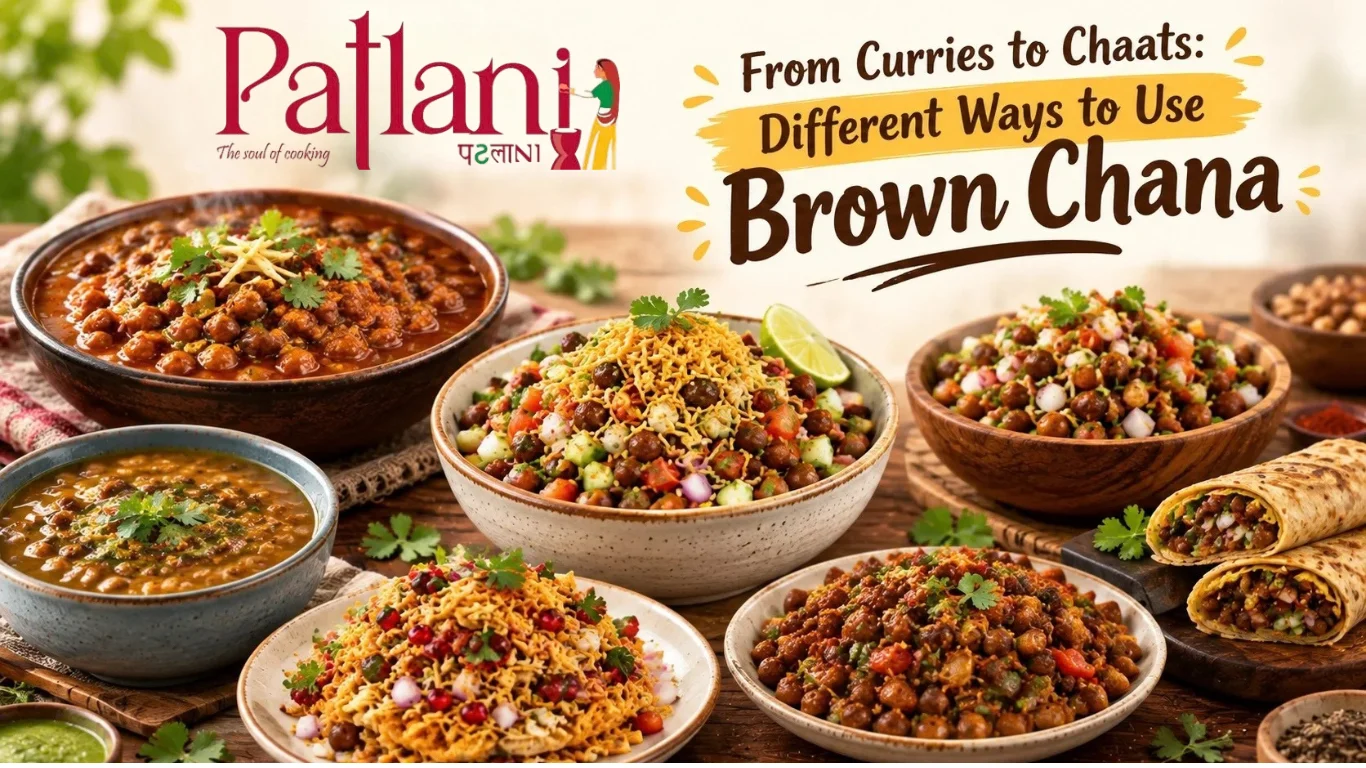
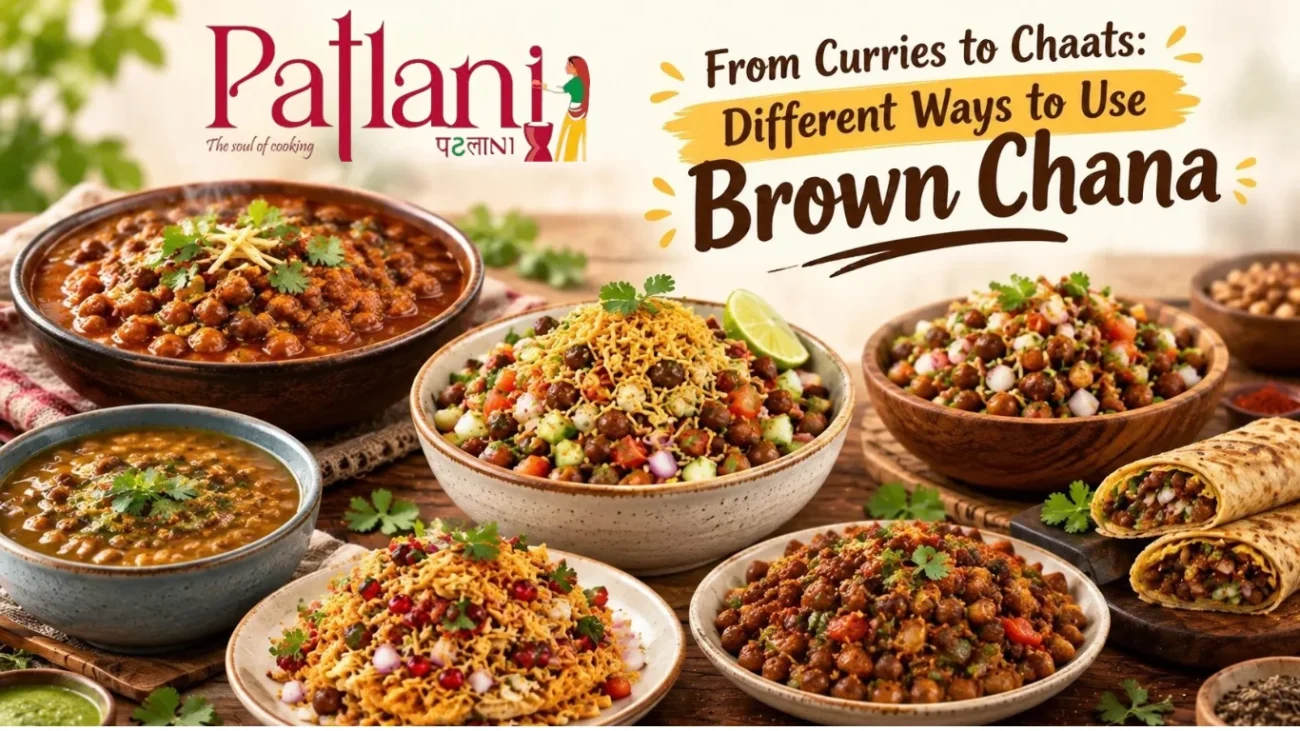
Most Indian kitchens have a jar of it somewhere not the ingredient anyone plans a menu around, but the one that quietly ends up in half the week’s meals anyway. Brown Chana works like that. One day it’s simmering in a spiced gravy for dinner, the next it’s tossed cold into a tangy evening chaat, and somewhere in between it might show up in a lunchtime salad without much fuss at all.
What follows is a practical look at how far this one legume can actually stretch from hearty curries to street-style chaats and a handful of uses most people never quite get around to trying.
What Exactly Is Brown Chana?
Also known as Kala Chana or Brown Chickpeas, Brown Chana is the smaller, darker cousin of the pale chickpea most people picture first. The skin is noticeably thicker, the colour sits somewhere between deep brown and near-black, and unlike softer legumes, it holds its shape well even after a long simmer.
The flavour leans earthy rather than mild there’s a nuttiness to it that plain chickpeas don’t really have. That’s a big part of why it fits into so many different kinds of dishes: robust enough to carry heavy spice in a curry, yet neutral enough to sit happily in a fresh, citrusy chaat without clashing.
Getting It Ready to Cook
There isn’t much technique involved, just a bit of forward planning. Rinse the dried beans well, then let them soak overnight tends to work best, since the tougher skin needs more time than most legumes to soften up.
After soaking, drain it and cook until tender, whether that’s a pressure cooker, an instant pot, or a covered pot on the stove. How long that takes really depends on the age of the beans and the method you’re using, so it helps to test for doneness rather than trust a fixed number of whistles. Once it’s soft, boiled Brown Chana keeps well and slots into pretty much any recipe that calls for it.
Different Ways to Use Brown Chana
Here are eight ways to put it to work, each pulling in a slightly different direction.
1. A Classic Curry
Flavour aside, texture is another area where Ratlami Sev clearly differs from other sev varieties. It’s typically thicker than nylon sev, which is pressed extremely fine and prized for its delicate, almost thread-like crunch. By comparison, this sev has a slightly coarser, more rustic bite sturdy enough to hold its shape when tossed into a bowl of poha or chaat without turning soggy too quickly.
This crunchy texture, paired with the spice-forward dough, is part of why it works so well as both a standalone snack and a topping. It doesn’t disappear into whatever it’s mixed with you can taste and feel it in every bite.
2. Chaat, the Other Direction Entirely
Take the same cooked legume and go tangy instead: chopped onion and tomato, a good squeeze of lemon, chaat masala, green and tamarind chutney, a scatter of sev, maybe a few pomegranate seeds for sweetness. What you end up with is soft chickpea against sharp chutney and crunchy topping a texture combination plain curry never quite gets to.
3. A Light, Fresh Salad
For something less involved, mix cooked chana with cucumber, tomato, onion, coriander, lemon, and a handful of peanuts or seeds for crunch. Works fine as a side, or on its own for a lunch that doesn’t need much cooking beyond what’s already done.
4. Usal-Style, Dry and Spiced
Common in Maharashtrian households, this version skips the gravy entirely a quick tempering of mustard seeds and curry leaves, a mix of spices, sometimes grated coconut stirred through depending on the region. Finish with lemon and fresh coriander. Every household seems to make it slightly differently, which is honestly part of the appeal.
5. A Quick Roasted Snack
Roasted until a bit crisp and tossed with chaat masala, or mixed with peanuts for a simple snack bowl, this legume doesn’t need much dressing up to work as an evening bite. It stores reasonably well too, so a batch can last a few days without extra effort.
6. Folded Into Rice
Stirred into a pulao, mixed through a spiced rice bowl, or added to a one-pot rice preparation, it gives an otherwise plain dish more bite and substance. Since it’s already cooked, this usually just means adding it in during the last few minutes.
7. Showing Up at Breakfast
Not the obvious choice, but it appears more often than expected folded into poha, mixed into an upma-style preparation, or served as a simple masala bowl with vegetables. Sprouted versions in particular add a lighter, fresher note to start the morning.
8. Regional Variations Worth Knowing
Across Gujarat, Maharashtra, Rajasthan, and parts of North India, this legume takes on different names and noticeably different treatments sometimes dry, sometimes in a thin gravy, sometimes barely spiced at all. No single version should really be called “the” authentic one; Indian regional cooking simply doesn’t work that way.
Cooking Once, Using It All Week
This is one of the more useful things about keeping a batch on hand it lends itself well to cooking ahead. Soak and cook a larger amount over the weekend, store it in a sealed container in the fridge, and you’ve effectively got a base ready for several different meals without repeating the same dish twice.
Basic food-safety habits still apply here: keep it properly refrigerated, use it within a reasonable window, and reheat it fully before eating. Beyond that, the main benefit is simply skipping the slowest part of the process the soaking and initial cooking on busier days.
What Pairs Well With It
A handful of combinations keep coming back for a reason. Lemon and coriander lift the earthiness almost instantly. Tomato and cumin build the familiar curry base most people grew up with. Tamarind adds tang that works especially well in chaat, while yogurt cools things down when the spice runs a bit high. Sev brings crunch to what’s otherwise a soft dish, and rice turns any of these into a fuller, more complete meal.
None of this is fixed just pairings that tend to balance the legume’s natural earthiness against sourness, heat, or texture in a way that works.
Why This Legume Stays Popular
Part of its staying power comes down to what it brings nutritionally. Like most legumes, it offers plant based protein and dietary fibre, along with carbohydrates and minerals naturally present in pulses which makes it a genuinely useful base for vegetarian cooking across Indian households, regardless of region.
That said, it isn’t a miracle ingredient, and general nutritional value shouldn’t be read as a specific health claim. Anyone with particular dietary needs is better off checking with a nutritionist or doctor rather than relying on general information about legumes.
Brands like Patlani Foods, working with traditional Indian pulses and snack ingredients, make it a bit easier for households to keep staples like this stocked without sourcing everything separately which matters more on the weeks when cooking from scratch every day just isn’t realistic.
