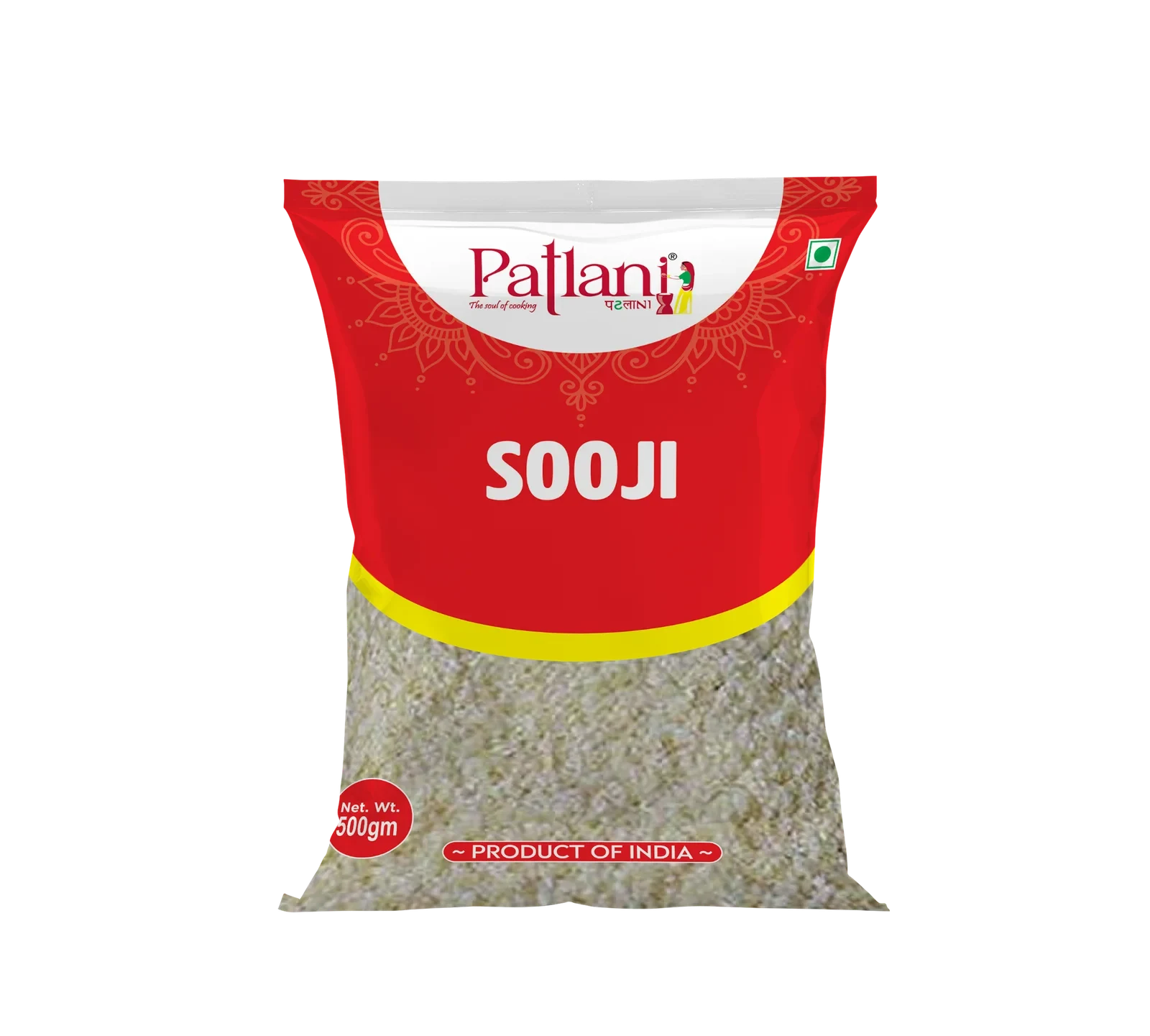
Sooji (Semolina / Rava)

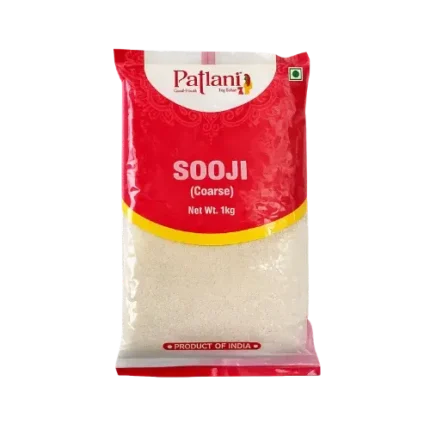
Almost every Indian kitchen keeps a pack of sooji around, and honestly, it’s one of those staples you don’t think about until you run out. Patlani Foods Sooji is milled from good quality wheat, cleaned properly before processing, so what reaches you is clean semolina without any dust or impurities mixed in. It works for upma, halwa, dosa batter, basically the everyday stuff most households cook on repeat. The texture stays even, which means your dishes turn out the same way each time you cook. If you’ve been looking to buy sooji online without worrying about quality, this is a decent place to start.

Key Features

  • Even, consistent texture that cooks reliably
  • Made from good quality wheat, cleaned before milling
  • No preservatives or artificial additives
  • Natural aroma and taste, nothing masked or altered
  • Sealed packaging that keeps moisture and pests out
  • Works for both sweet dishes and savoury cooking
  • Suitable for everyday use as well as bulk kitchen needs
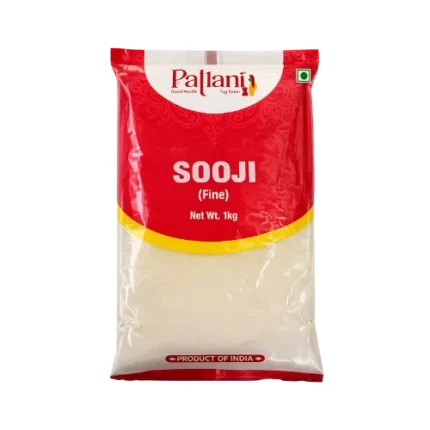
  • Available as fine sooji for smoother textured dishes
Description

Rava and sooji basically mean the same thing, just different names people use depending on where they're from. Patlani Foods processes wheat that's cleaned thoroughly before milling, removing husk and dust so the final product is genuinely clean, not something you need to sieve again before cooking.

Texture is honestly the biggest thing that separates decent sooji from average sooji. This one's milled evenly, so it cooks the same way batch after batch. You won't get that annoying situation where half your upma is soft and the other half still has a bite to it. Consistency here comes down to how carefully the grain size is controlled during milling.

Smell-wise, it's got that light, clean wheat aroma you'd expect from a fresh batch, not the flat or slightly stale smell that sooji sometimes picks up if it's been sitting in storage too long. Taste is mild, a bit nutty, which works fine whether you're making something sweet like sheera or something savoury like rava dosa.

Cooking performance is where it really counts. Because the grain size is even, it absorbs water or milk consistently, so there's no guessing how long something needs to cook. It works well in batters too, dhokla, cheela, that kind of thing, where a lumpy mix ruins the final texture.

Freshness comes down to how it's packed. Sealed packaging keeps moisture out, which matters a lot since semolina tends to clump or spoil faster if it's exposed to air for too long. Pack sizes are practical, small enough for home cooking, larger ones available for restaurants or bulk buyers.

Most people stick with a particular sooji once they find one that behaves predictably, and that's really the main reason customers keep coming back to this one, same texture, same cooking time, no surprises.

Best Uses

  • Upma, plain or with vegetables
  • Sooji halwa and sheera
  • Rava dosa and rava idli batter
  • Dhokla and cheela mixes
  • Rava ladoo and other sweets
  • Thickening base for certain gravies

Storage Instructions

Keep the sooji in a cool, dry place, away from direct sunlight. Once opened, move it into an airtight container rather than leaving it in the original pack. Use a dry spoon each time you scoop it out. Stored this way, it stays fresh and usable for several months without clumping.

Why Choose Patlani Foods

  • Wheat is cleaned properly before it's milled, not just at the end
  • No unnecessary additives, kept close to its natural form
  • Packaging actually protects freshness, not just there for looks
  • Same texture and cooking time, order after order
  • A reliable option whether you need regular or fine sooji
  • Available in multiple pack sizes for home and bulk needs

Frequently Asked Questions

1. What is the difference between sooji and rava?

They're essentially the same product, semolina made from wheat. Sooji and rava are just different names used across various regions in India.

2. Is this sooji suitable for making dosa batter?

 Yes, the even texture works well for rava dosa, giving you a smooth batter that spreads easily without lumps.

3. What's the difference between fine sooji and regular sooji?

Fine sooji has a smaller, smoother grain, better suited for dishes like halwa or dhokla batter. Regular sooji works well for upma, where a bit of texture is preferred.

4. Does semolina price change depending on pack size?

Yes, semolina price typically depends on the quantity you buy, bulk packs generally cost less per kg compared to smaller ones.

5. Can I buy sooji online in bulk quantities?

Yes, Patlani Foods offers this sooji in multiple pack sizes, so you can buy sooji online in bulk for home use, restaurants, or retail needs.

Shipping & Delivery

MAECENAS IACULIS

Vestibulum curae torquent diam diam commodo parturient penatibus nunc dui adipiscing convallis bulum parturient suspendisse parturient a.Parturient in parturient scelerisque nibh lectus quam a natoque adipiscing a vestibulum hendrerit et pharetra fames nunc natoque dui.

ADIPISCING CONVALLIS BULUM

  • Vestibulum penatibus nunc dui adipiscing convallis bulum parturient suspendisse.
  • Abitur parturient praesent lectus quam a natoque adipiscing a vestibulum hendre.
  • Diam parturient dictumst parturient scelerisque nibh lectus.

Scelerisque adipiscing bibendum sem vestibulum et in a a a purus lectus faucibus lobortis tincidunt purus lectus nisl class eros.Condimentum a et ullamcorper dictumst mus et tristique elementum nam inceptos hac parturient scelerisque vestibulum amet elit ut volutpat.

Reviews

There are no reviews yet.

Be the first to review “Sooji (Semolina / Rava)”

Your email address will not be published. Required fields are marked *