



Blog
What Makes Ratlami Sev Different From Other Indian Sev Varieties?

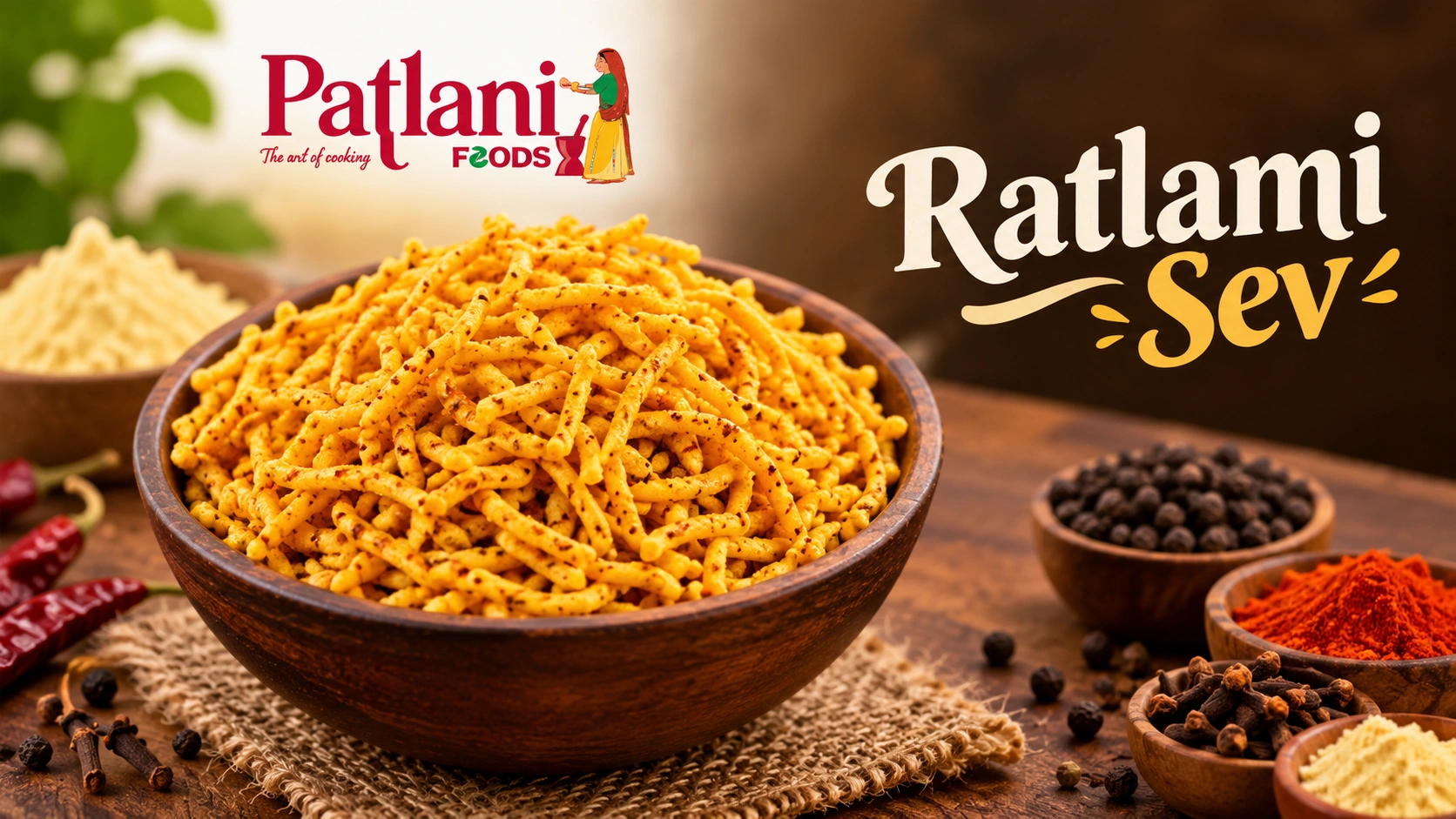
Walk into any namkeen shop in India and you’ll find shelves lined with different types of sev thin, thick, plain, spiced, pale yellow, deep golden. To an outsider, they might all look like variations of the same fried gram flour snack. But anyone who has tasted Ratlami Sev knows it occupies a category of its own. It isn’t just thinner or thicker than the rest; it carries a distinct peppery warmth and a texture that sets it apart from nearly every other sev variety sold across the country.
So what exactly makes it different? The answer lies in three things: where it comes from, how it’s spiced, and how it’s made. In this article, we’ll walk through each of these in detail, compare it against other popular Indian sev varieties, and explain why this snack from a small city in Madhya Pradesh has earned a permanent place in India’s snack culture.
The Ratlam Connection: Where This Sev Comes From
As the name suggests, Ratlami Sev takes its identity from Ratlam, a city in Madhya Pradesh known for its namkeen-making traditions. Ratlam has long been associated with spiced gram flour snacks, and over generations, local snack makers refined a style of sev that reflected the region’s preference for bold, warming spices rather than the milder flavours common in sev made elsewhere in India.
This regional connection matters because sev, at its core, is a fairly simple snack besan (gram flour) dough, seasoned and pressed through a sev press into hot oil. What separates one region’s version from another is almost entirely down to the spice blend and the technique used, and Ratlam’s approach became distinctive enough that the name itself became shorthand for a particular style of sev, recognised well beyond the borders of Madhya Pradesh.
What Makes the Spice Blend So Distinct
If there’s one factor that defines the Ratlami Sev taste, it’s the spice mix used in the dough itself. Unlike plain sev, which is seasoned lightly (often with little more than salt and turmeric), this traditional style is built around a more layered spice profile.
Common ingredients in the seasoning include:
- Black pepper – for a slow building heat rather than a sharp chilli burn
- Cloves – adding a subtle warmth and depth
- Hing (asafoetida) – contributing to the savoury, umami character
- Red chilli – for colour and a mild-to-moderate spiciness
- Ajwain and other whole spices – often used in small quantities for aroma
This combination is what gives the snack its recognisable flavour warm and peppery first, with the chilli heat arriving a little later. It’s a more complex flavour profile than most other sev varieties, which tend to lean on chilli powder alone for their spice.
Why Besan and Spice Ratio Matters
The quality of Ratlami Sev ingredients also comes down to how the besan is balanced with the spice mix. Too much spice and it turns overpowering; too little and it loses its identity entirely. Traditional recipes rely on a careful ratio enough gram flour to hold structure and crunch, with just enough spice worked into the dough (rather than sprinkled on top) so that every strand carries the flavour, not just the surface.
How the Texture Sets It Apart
Flavour aside, texture is another area where Ratlami Sev clearly differs from other sev varieties. It’s typically thicker than nylon sev, which is pressed extremely fine and prized for its delicate, almost thread-like crunch. By comparison, this sev has a slightly coarser, more rustic bite sturdy enough to hold its shape when tossed into a bowl of poha or chaat without turning soggy too quickly.
This crunchy texture, paired with the spice-forward dough, is part of why it works so well as both a standalone snack and a topping. It doesn’t disappear into whatever it’s mixed with you can taste and feel it in every bite.
Ratlami Sev vs Other Sev Varieties: A Quick Comparison
The differences become clearest when you see them side by side. Here’s how it stacks up against some of the other common Indian sev varieties:
|
Sev Variety |
Texture |
Flavour Profile |
Common Use |
|---|---|---|---|
|
Ratlami Sev |
Thick, coarse, crunchy |
Peppery, spiced, mildly hot |
Snacking, poha, chaat topping |
|
Plain Sev |
Medium thickness, soft crisp |
Mild, salty |
Everyday namkeen mixes |
|
Nylon Sev |
Very thin, delicate |
Light, subtly salty |
Chaat and dhokla topping |
|
Aloo Sev |
Medium, slightly soft |
Mild, potato-forward |
Snack mixes, farsan |
|
Bhujia-style Sev |
Thin, dense, spiced |
Sharp, chilli-forward |
Standalone spicy snack |
As the table shows, the Ratlami Sev difference isn’t about being spicier for the sake of it it’s about a specific combination of thickness, spice layering, and aroma that other sev varieties simply aren’t built around.
How People Enjoy This Spicy Sev
One reason this snack has stayed popular across India is its versatility. It isn’t tied to a single dish or occasion. Some of the most common ways people enjoy it include:
- With poha – a classic Madhya Pradesh combination, where the sev adds crunch and spice to the soft, tangy poha underneath
- In sev tameta – a tomato-based curry where sev is added for texture right before serving
- As a chaat topping – sprinkled over bhel, dahi puri, or other chaats for an extra layer of crunch and flavour
- As a standalone tea-time snack – eaten straight from the bowl with a cup of chai, especially in the evenings
- Mixed into namkeen blends – combined with peanuts, dried chana, and other savoury snacks
This flexibility is part of what separates it from more single purpose snacks. While some Indian sev varieties, like nylon sev, are used almost exclusively as chaat toppings, this one holds its own as a snack that people happily eat on its own, straight out of the packet.
This Ratlam Specialty in the Wider World of Indian Namkeen
India’s snack culture is enormous, and sev is just one branch of a much larger namkeen family that includes Gujarati snacks like khakhra and dhokla, various types of chivda, and regional farsan mixes. Within this landscape, Gujarati sev tends to be lighter and milder, often designed to blend into other dishes rather than stand out on its own. This variety takes the opposite approach it’s meant to be noticed.
This is really the heart of what makes it different: it isn’t trying to be a neutral, background ingredient. The spice blend, the coarser texture, and the regional technique all work together to create a snack with its own identity, rather than just another variation on a familiar theme.
Brands working with traditional Indian snacks, including Patlani Foods, often highlight this distinction when introducing customers to Ratlami Sev for the first time not by exaggerating its uniqueness, but by explaining the actual differences in spice and preparation that set it apart. For people who are used to milder, plainer sev, that first bite of this properly spiced snack is usually a noticeable change.
Making Homemade Ratlami Sev
For those curious about recreating it at home, this is achievable with the right approach, though getting the spice balance right takes some practice. The dough is prepared with besan, a small amount of hot oil worked in for crispness, water, and the signature spice mix pepper, cloves, hing, and chilli kneaded together before being pressed through a sev maker into hot oil.
The main challenge most home cooks face isn’t the frying itself, but getting the spice ratio consistent. Too little seasoning and the result tastes closer to plain sev; too much and it can overpower the dish it’s meant to complement. This is one reason many households prefer buying it ready-made from brands like Patlani Foods that specialise in traditional Indian snacks, rather than experimenting repeatedly at home.
Frequently Asked Questions
It's a spiced, gram-flour-based namkeen that originated in Ratlam, Madhya Pradesh. It's known for its coarser texture and a distinct spice blend featuring black pepper, cloves, and hing.
Regular or plain sev is usually seasoned lightly with just salt and turmeric, while this style uses a more layered spice mix that gives it a warmer, peppery flavour and a thicker, crunchier bite.
It's moderately spicy rather than extremely hot. The heat builds gradually from black pepper and chilli, rather than hitting all at once, which is different from sharper, chilli forward snacks like bhujia style sev.
No. Gujarati sev tends to be milder and thinner, often used to complement other dishes, while this variety has a bolder spice profile and coarser texture designed to stand out.
Yes, homemade preparation is possible using besan, hot oil, water, and the traditional spice mix, though matching the exact spice balance of established recipes can take a few attempts.
