Tamarind

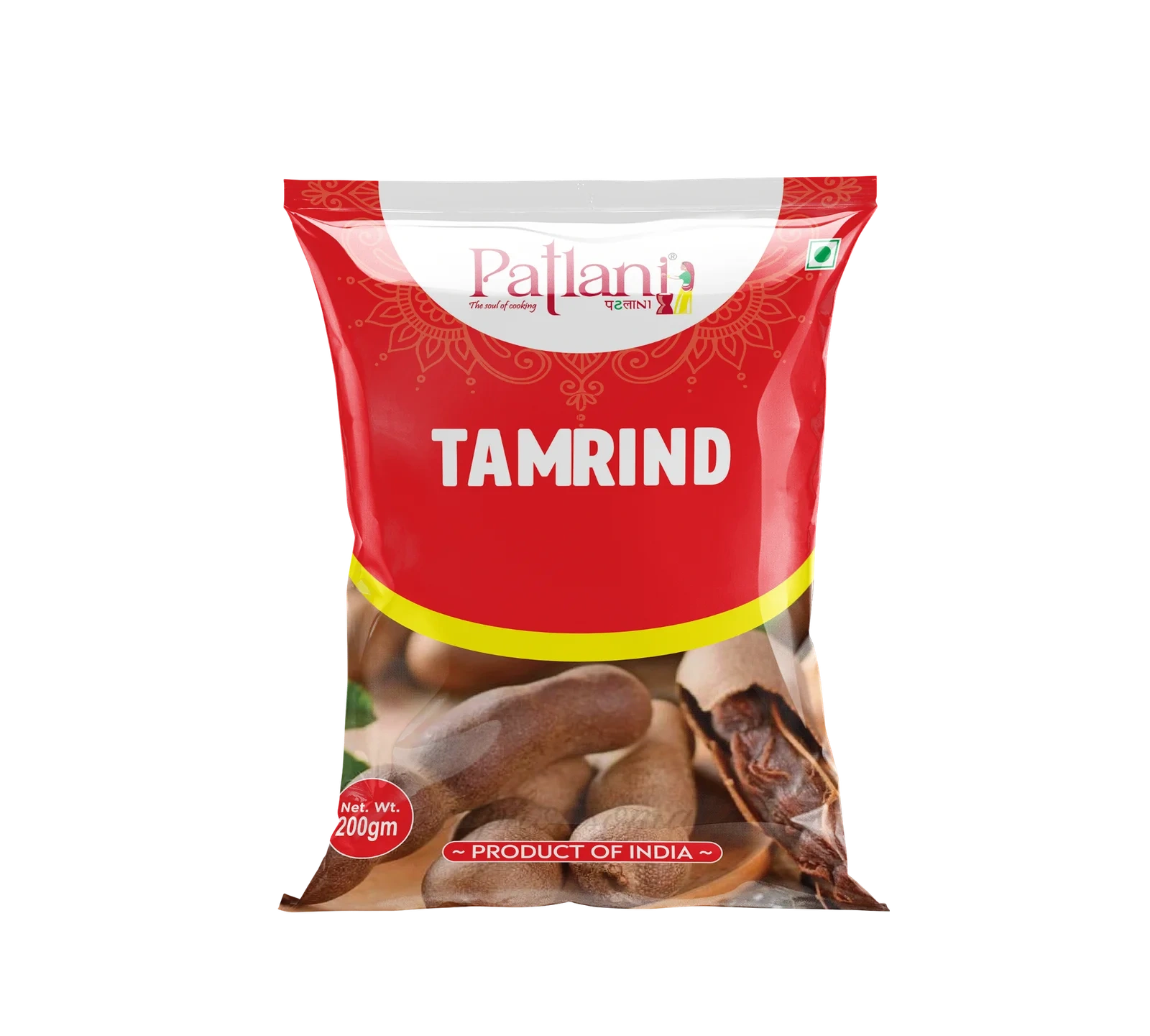
Almost every Indian kitchen has some tamarind tucked away somewhere it’s just one of those things you end up needing, whether it’s for sambar, a chutney, or that one curry that needs a sour kick. Patlani Foods sources decent quality red imli and cleans it up before packing, so you’re not fishing out seeds or stringy bits mid recipe. Soften it in warm water for a bit and it’s ready to strain and use. Been looking for imli online? This one’s worth a shot. Try patlani tamarind next time you’re making rasam or a chutney batch the flavor difference is noticeable.

Key Features

  • Cleaned up before packing, so there’s not much fiber left to deal with
  • Soft and pliable  breaks down fast once soaked in warm water
  • Seeds and other debris kept to a minimum
  • Tang comes from the tamarind itself, nothing artificial added
  • Packaging holds moisture in so it doesn’t dry out on the shelf
  • No preservatives, just the processed pulp
  • Fine for everyday home cooking or bigger restaurant batches
  • Households, retailers, wholesalers all can use this
Description

Tamarind has been around Indian kitchens for as long as anyone can remember, mostly because of that sour sweet punch it brings to sambar, rasam, pulihora, and half a dozen chutneys. Patlani Foods works with decent quality tamarind pods, then processes them down into clean, mostly deseeded pulp something you can use right out of the pack without extra prep.

During processing, the goal is getting rid of excess seeds and the fiber that clings to raw tamarind. What you end up with is close to seedless tamarind  saves you from picking through it before cooking, which honestly gets tedious with fresh tamarind pods since there's a fair amount of stringy stuff mixed in naturally.

The pulp itself stays soft, a bit sticky  that's what good dried imli should feel like. It's not hard or crumbly, so you don't need to soak it forever. A short dip in warm water, maybe ten minutes, and it's loose enough to mash and strain. Smell wise, it's sharp and tangy, a little earthy too  pretty standard for red imli  and the taste keeps that sour with a hint of sweet balance once it's cooked into whatever you're making.

Cooking results stay fairly predictable since the pulp quality doesn't swing much between batches. Storage before packing is handled properly, and the pack itself is built to hold moisture in so the tamarind doesn't dry out or go hard sitting on a shelf.

People tend to stick with this one mainly because the quality holds steady order after order. And if you're checking seedless tamarind price across different sellers, this pack is priced fairly without skipping on the cleaning process.

Best Uses

  • Sambar and Rasam - tamarind pulp gives these South Indian dishes their signature sourness
  • Tamarind Chutney - sweet and sour, usually served alongside chaat or snacks
  • Pulihora (Tamarind Rice) - a rice dish where tamarind does most of the flavor work
  • Curries and Gravies - a small amount adds a tangy note without overpowering
  • Pani Puri Water - tamarind pulp is commonly used to flavor the water for pani puri

Storage Instructions

Keep it somewhere cool and dry, out of direct sunlight. After opening, an airtight container works best  stops it from drying out or hardening over time. Keep it away from excess moisture too, and try to finish it within the shelf life mentioned on the pack.

Why Choose Patlani Foods

  • Tamarind quality doesn't fluctuate much between orders
  • Cleaning and processing happen properly before it's packed
  • Seedless tamarind price stays fair without cutting corners
  • Packaging keeps things fresh and prevents hardening
  • Works for households, restaurants, retailers, and wholesalers
  • Ordering tamarind online is straightforward, with reliable delivery

Frequently Asked Questions

1. What's tamarind typically used for?

Sambar, rasam, chutneys, pulihora, curries  anywhere you need that tangy edge. It also shows up in pani puri water and a few marinades.

2. Is this tamarind seedless?

 It's processed to remove most of the seeds and fiber, so it's close to seedless and ready to use without much extra work.

3. How do I actually use dried imli when cooking?

Soak a small chunk in warm water for around 10 15 minutes, then mash it up and strain out the pulp you need.

4. What's the difference between tamarind pods and the pulp in this pack?

Pods are the raw, unprocessed version  shell, seeds, all of it. The pulp here has already been cleaned and processed, so it's ready to go straight away.

5. Can I buy tamarind online from Patlani Foods?

Yes, you can order directly through the website, and the packaging is designed to keep it fresh through delivery.

Shipping & Delivery

MAECENAS IACULIS

Vestibulum curae torquent diam diam commodo parturient penatibus nunc dui adipiscing convallis bulum parturient suspendisse parturient a.Parturient in parturient scelerisque nibh lectus quam a natoque adipiscing a vestibulum hendrerit et pharetra fames nunc natoque dui.

ADIPISCING CONVALLIS BULUM

  • Vestibulum penatibus nunc dui adipiscing convallis bulum parturient suspendisse.
  • Abitur parturient praesent lectus quam a natoque adipiscing a vestibulum hendre.
  • Diam parturient dictumst parturient scelerisque nibh lectus.

Scelerisque adipiscing bibendum sem vestibulum et in a a a purus lectus faucibus lobortis tincidunt purus lectus nisl class eros.Condimentum a et ullamcorper dictumst mus et tristique elementum nam inceptos hac parturient scelerisque vestibulum amet elit ut volutpat.

Reviews

There are no reviews yet.

Be the first to review “Tamarind”

Your email address will not be published. Required fields are marked *